
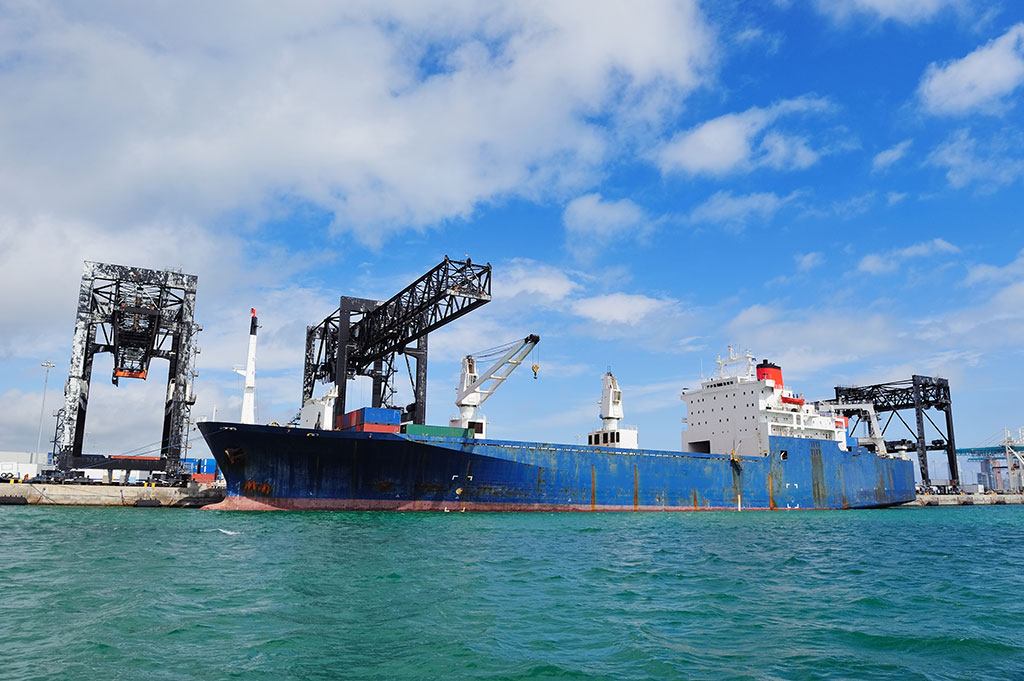
Royal Petroleum coordinates marine diesel fuel supply for commercial and marine operations in Puerto Rico and selected Caribbean locations. Each request is reviewed based on the vessel’s schedule, delivery location, required volume, access to the fueling point, requested product specifications, and available logistics capacity.
In marine operations, fuel planning often begins well before the vessel is ready to receive a delivery. Port windows, product availability, required volume, access conditions, and coordination with the vessel can all affect how and when fuel is delivered.
For cargo vessels, service vessels, and tugboats, working with an experienced team can make the process clearer and reduce last-minute uncertainty.
Marine diesel supply in Puerto Rico and Caribbean
Royal Petroleum coordinates marine diesel delivery in Puerto Rico and selected Caribbean locations. Because ports and operating conditions vary, service availability is reviewed for each request rather than assumed based on the destination alone.
The process considers where the vessel will receive fuel, when it will be available, the volume required, and which delivery method may be practical at that location.
For deliveries outside Puerto Rico, route conditions, port access, product availability, and local logistics must also be confirmed before scheduling.
Marine diesel vs marine gas oil
Marine diesel, Marine Gas Oil, marine distillate fuel, and Ultra-Low Sulfur Diesel may come up in similar conversations, but the terms are not necessarily interchangeable.
Terminology can vary depending on the supplier, fuel grade, vessel requirements, applicable specifications, and regulatory context. For that reason, the product should be confirmed by its specifications rather than by its name alone.
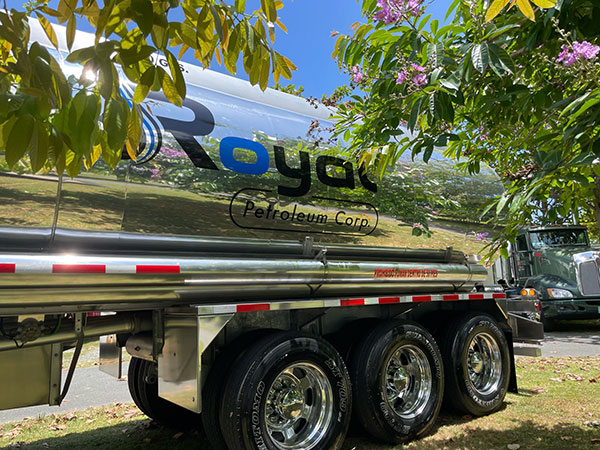
This distinction matters. Two products may be described in similar terms while having different sulfur levels, flash points, viscosity, density, or other technical properties. Those differences can affect whether a fuel is appropriate for a particular engine, vessel, route, or port.
The required fuel should be reviewed against the engine manufacturer’s recommendations, the vessel’s operating profile, and any applicable environmental or safety requirements.
Before coordinating supply, Royal Petroleum reviews the product requested by the client, the required volume, delivery location, and available product documentation. The final selection should be based on the specifications and operating requirements provided for the vessel.
Who do we supply marine diesel fuel
- Cargo vessels. Often operate around fixed itineraries, cargo schedules, port windows, and planned departure times. Fuel delivery needs to be coordinated without losing sight of those commitments.
- Service vessels. May support maintenance, transportation, technical assistance, port services, or other marine operations. Their routes and schedules can change depending on the assignment, so delivery planning may need to remain flexible.
- Tugboats. Often work on recurring schedules tied to towing, port assistance, maneuvering, and support services. Depending on their frequency of use, they may require scheduled or recurring fuel deliveries.
What marine diesel delivery options do we offer
Royal Petroleum coordinates bunkering services according to the vessel, port, requested volume, delivery window, and operating conditions.
Bunkering generally refers to supplying fuel to a vessel within a port or designated marine operating area. Each operation must account for the vessel’s schedule, port procedures, receiving requirements, available product, and access to the fueling point.
One available option may be truck-to-vessel delivery. In this type of operation, fuel is transferred directly from a tanker truck to the vessel when port access, local procedures, and site conditions allow it.
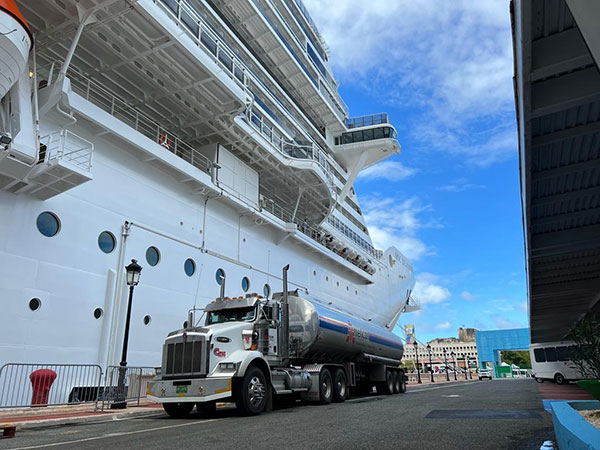
Scheduled delivery coordination may also be available for clients operating recurring routes or requiring ongoing fuel planning. These requests are evaluated based on the schedule, volume, route, port access, product availability, and documentation requirements.
Why choose our marine diesel supply
Royal Petroleum brings more than 25 years of operational experience to fuel supply coordination in Puerto Rico and the Caribbean.
Based in Puerto Rico, Royal Petroleum coordinates each request with attention to the requested product specifications, flash point, vessel schedule, port conditions, and available product documentation.
For cargo vessels, service vessels, tugboats, and recurring routes, Royal Petroleum serves as a central point of coordination for bunkering, truck-to-vessel delivery, and scheduled fuel planning when available.
Contact Royal Petroleum at info@royalpetroleumpr.com to discuss your next vessel fueling operation.
FAQs about marine diesel fuel
What is marine diesel fuel?
Marine diesel fuel refers to diesel products intended for use in marine environments, powering vessels with diesel engines as well as certain onboard systems. The specific fuel type must be verified based on its grade, technical specifications, sulfur level, flash point, and the requirements set by the vessel or engine manufacturer.
How is marine diesel supplied?
Marine diesel is typically delivered through bunkering operations, which may include truck-to-vessel transfers when port conditions, regulations, and operational factors allow. The delivery process is coordinated based on vessel location, requested volume, scheduling windows, route logistics, product availability, and required documentation.
Do you offer marine diesel delivery?
Yes. Royal Petroleum coordinates marine diesel delivery for commercial and marine operations in Puerto Rico and selected Caribbean locations. Each request is reviewed according to product availability, vessel requirements, required volume, route conditions, port access, delivery window, and the applicable product and delivery documentation.