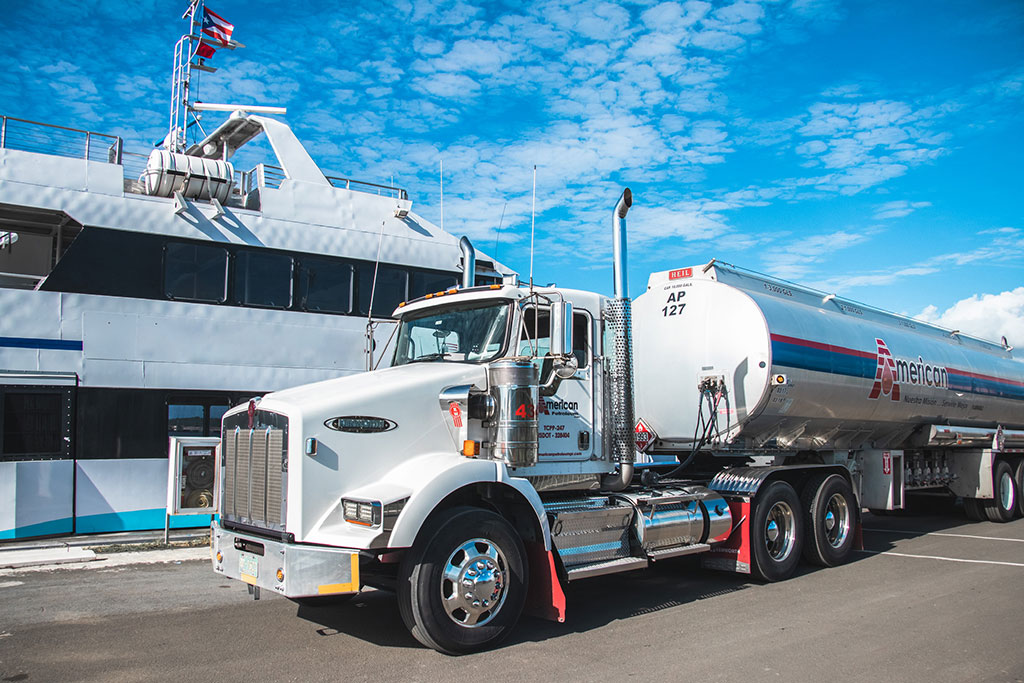
Marine fuel and oil services
Bunkering services for reliable marine fuel supply
Through reliable bunkering services, at Royal Petroleum we coordinate the direct supply of marine fuel to vessels calling at ports across Puerto Rico. Our team

Through reliable bunkering services, at Royal Petroleum we coordinate the direct supply of marine fuel to vessels calling at ports across Puerto Rico. Our team
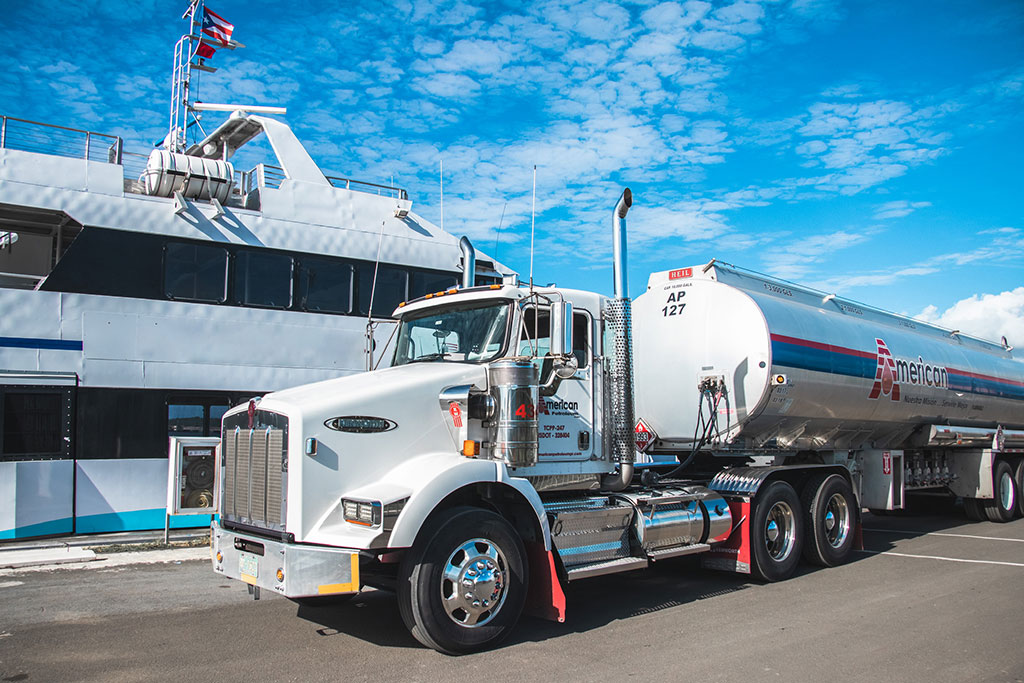
Truck to vessel bunkering refers to the delivery of fuel directly from tanker trucks to vessels while they are docked at port. Instead of relying

With more than 25 years of experience supplying vessels across Puerto Rico, we know routine marine engine maintenance schedule often makes the difference between a
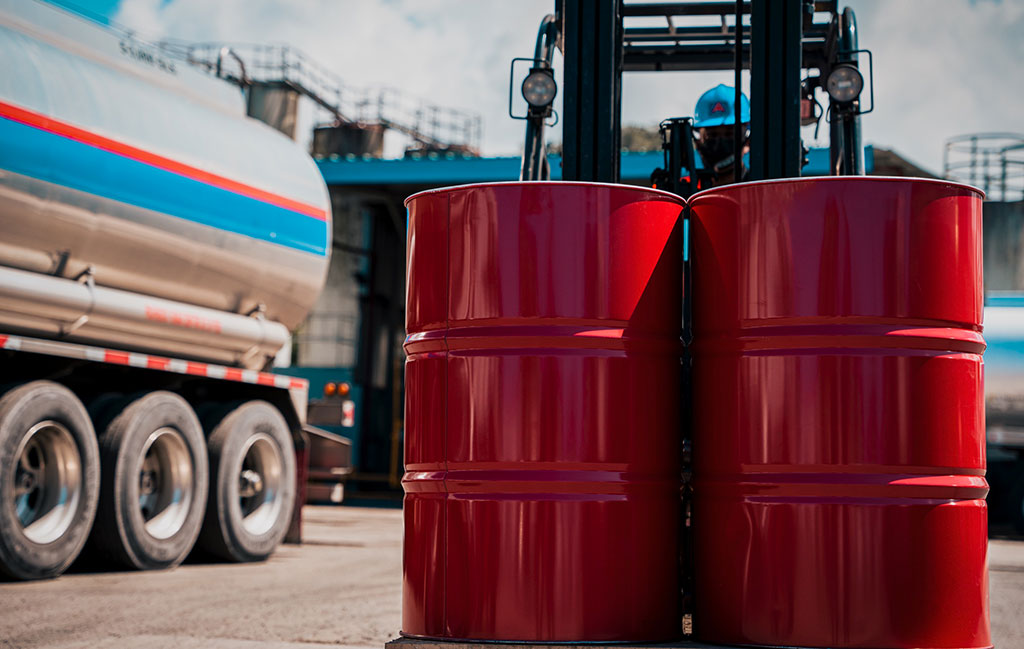
Understanding the difference between crude oil and residual oil is essential for maritime, industrial, and energy operators. These products play very different roles within the
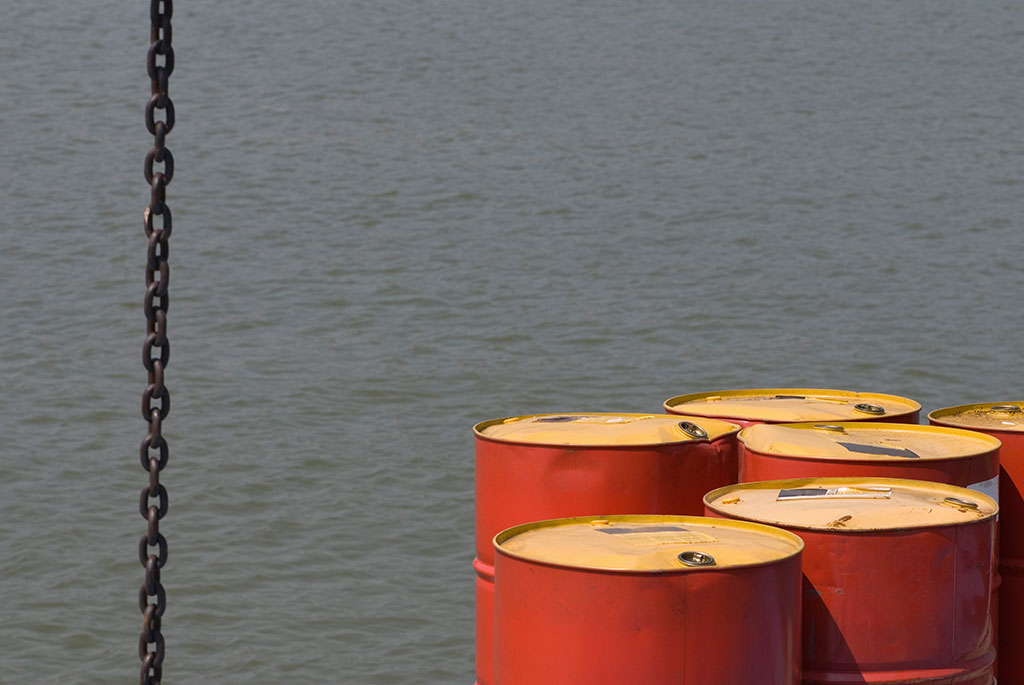
Marine gas oil, commonly referred to as MGO, plays a central role in today’s maritime fuel landscape.

The marine industry enters 2026 with stable demand and ongoing uncertainty. Rather than sudden disruption, the year is shaped by gradual shifts that require careful
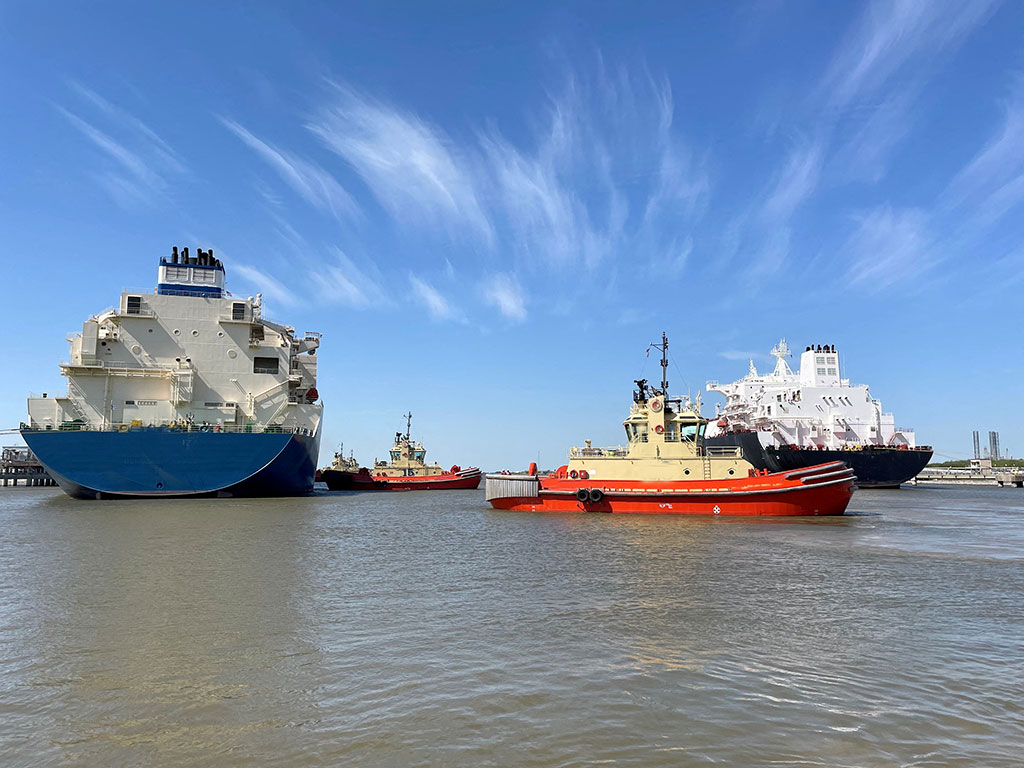
The global marine industry is entering 2026 amid one of the most significant periods of transformation in recent decades. Regulatory pressure on emissions, the post-pandemic
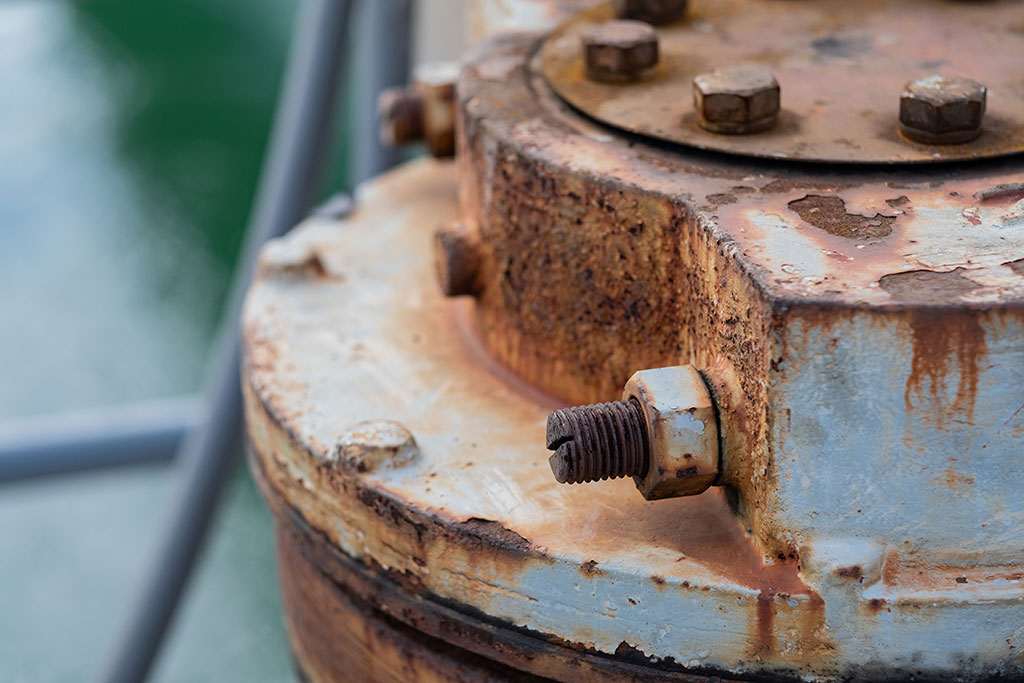
Marine engine corrosion is one of the most common threats to engine integrity, performance, and operational lifespan. It occurs when metal surfaces deteriorate due to
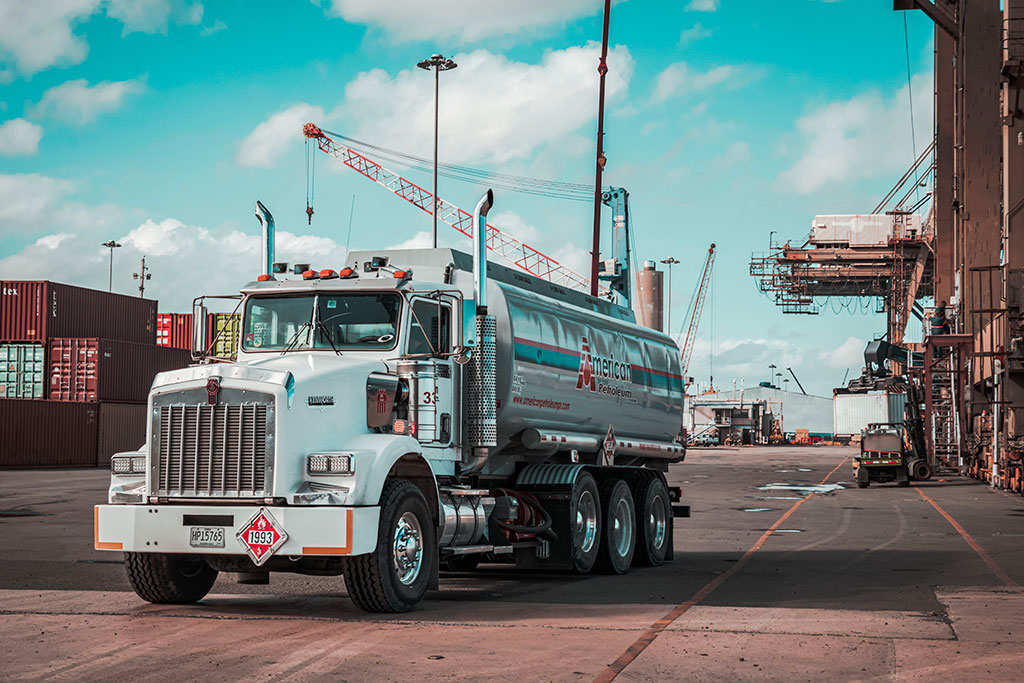
Engine oil is not just a lubricant. It reduces friction, controls temperature, keeps internal parts clean, and protects metal surfaces from corrosion. In marine engines,
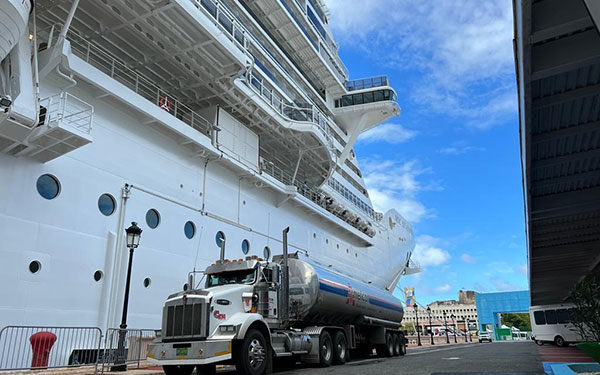
A robust marine diesel engine lubrication system ensures that moving elements remain separated by a stable oil film, that heat is carried away, contaminants are