
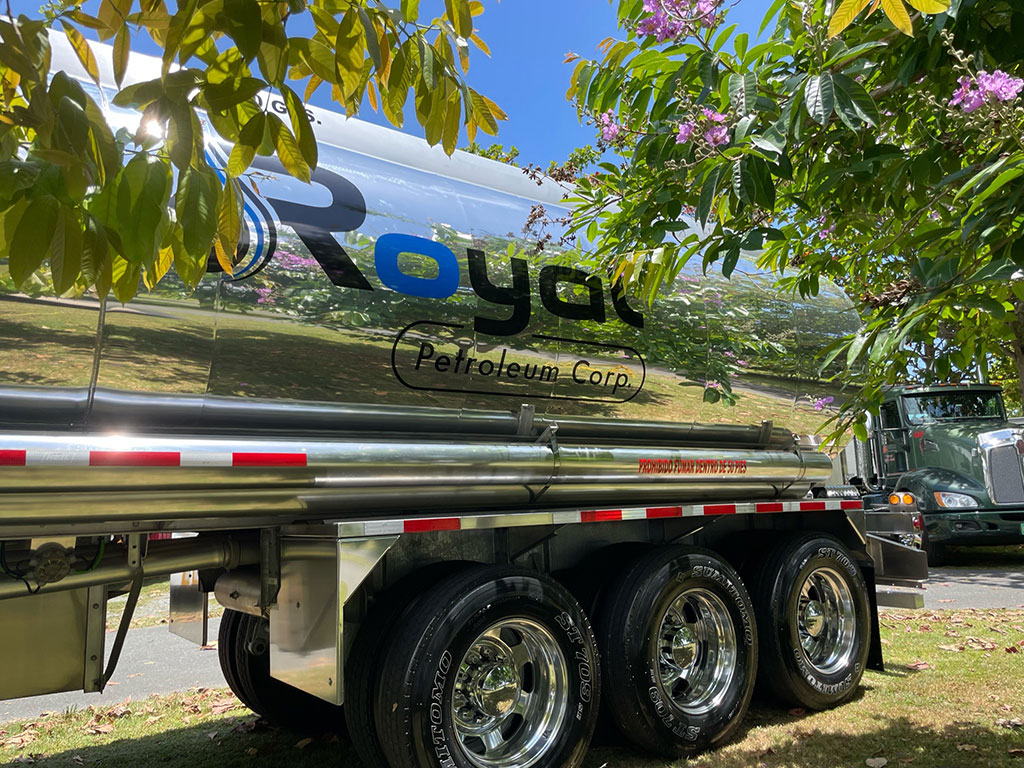
Bunkering in Puerto Rico involves more than delivering fuel to a vessel. Operators must account for fuel specifications, sulfur limits, transfer safety, documentation, and port access before a delivery can take place. Missing a requirement can lead to delays, inspection findings, or operational and environmental risks.
Royal Petroleum Corp. coordinates bunkering and marine fuel supply from Puerto Rico, reviewing the vessel’s requirements, delivery location, documentation, and operating conditions before confirming a fueling plan.
Why bunkering compliance matters
A bunkering operation can be delayed when the requested fuel does not meet vessel requirements, documentation is incomplete, or transfer conditions have not been confirmed. Reviewing these details before delivery helps operators identify potential problems and prepare for applicable inspections and port procedures.
Bunkering regulations in Puerto Rico: three levels of compliance
| Level | Main authorities/frameworks | What it affects |
| International | MARPOL Annex VI / IMO, SOLAS | Fuel sulfur limits, fuel quality, Bunker Delivery Notes, sampling, flashpoint requirements, and applicable vessel safety standards |
| U.S. federal | U.S. Coast Guard, MTSA/TWIC, CBP, DOT | Fuel transfer operations, security, transport, and federal requirements |
| Puerto Rico | Puerto Rico Ports Authority, Departamento de Hacienda | Port access, local operating procedures, and applicable fuel tax or exemption documentation |
International bunkering regulations: MARPOL Annex VI and SOLAS
MARPOL Annex VI, Puerto Rico and the U.S. Caribbean ECA and SOLAS are the international regulations.
MARPOL Annex VI and marine fuel bunkering compliance
MARPOL Annex VI Regulation 14 establishes sulfur oxide and particulate matter requirements for fuel oil used onboard ships, including stricter limits inside Emission Control Areas.
Regulation 18 addresses fuel oil availability and quality, including Bunker Delivery Notes and representative fuel samples.
For operators, this means the requested marine fuel should be checked against sulfur content, fuel specification, vessel requirements, route, and operating area.
The required documentation, including the Bunker Delivery Note and representative fuel sample where applicable, should also be coordinated as part of the bunkering operation.
Puerto Rico and the U.S. Caribbean ECA
Waters surrounding Puerto Rico and the U.S. Virgin Islands are part of the United States Caribbean Sea Emission Control Area (ECA). Under MARPOL Annex VI, the fuel sulfur limit within the ECA is 0.10% m/m, unless an approved equivalent bunkering compliance method applies.
Before bunkering, vessel operators should confirm the required fuel specification and sulfur content based on their route, operating area, and applicable compliance arrangements.
SOLAS and bunkering safety
SOLAS addresses ship safety, including bunkering regulations related to fuel handling and fire prevention.
Amendments effective January 1, 2026, introduced requirements for a supplier’s signed and certified declaration addressing bunkering compliance with the applicable fuel oil flashpoint requirements and identifying the test method used. The general minimum flashpoint is 60°C, subject to the exceptions established under SOLAS.
For bunkering operations, the applicable declaration and safety requirements should be reviewed before fuel transfer, alongside vessel readiness, communication, and transfer procedures.
U.S. federal requirements and bunkering regulations
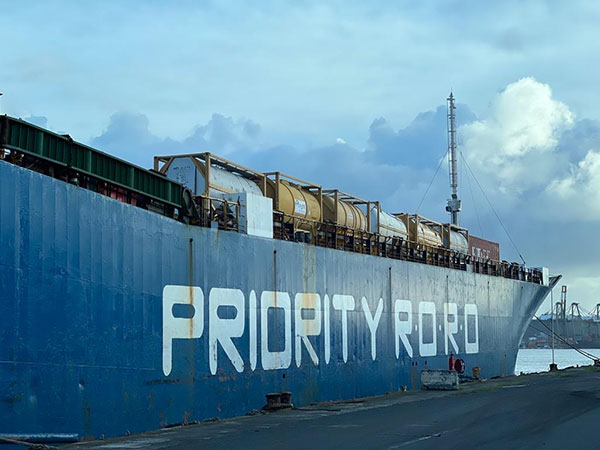
In Puerto Rico, bunkering is also affected by U.S. federal requirements related to transfer operations, security, transportation, and international movements when applicable.
U.S. Coast Guard requirements
The U.S. Coast Guard regulates oil transfer operations under federal requirements, including applicable provisions of 33 CFR Parts 154, 155, and 156.
Depending on the vessel, facility, and transfer operation, these requirements may address designated personnel, equipment, transfer procedures, pollution prevention, and declarations of inspection.
MTSA and TWIC requirements
The Maritime Transportation Security Act (MTSA) establishes security requirements for certain maritime facilities and vessels. Workers who need unescorted access to designated secure areas generally require a Transportation Worker Identification Credential (TWIC).
For bunkering operations, access requirements should be confirmed with the port, terminal, or facility before personnel and equipment arrive.
Department of Transportation requirements
U.S. Department of Transportation (DOT) bunkering regulations requirements may apply when fuel is transported by truck before delivery to a vessel.
U.S. Customs and Border Protection
CBP may be involved when fuel movements relate to import, export, or international trade requirements. This does not mean CBP applies in the same way to every local bunkering operation, but international or cross-border fuel movements should be reviewed according to the destination, documentation, and applicable trade requirements.
Puerto Rico-specific bunkering requirements
Port access, operating procedures, and transfer requirements vary by location. Depending on the port or terminal, bunkering may require coordination with the Puerto Rico Ports Authority, facility operators, and other applicable authorities before delivery.
Puerto Rico’s fuel tax requirements may also affect bunkering operations. The Departamento de Hacienda administers applicable fuel excise taxes and exemptions for certain petroleum products. Any applicable tax or exemption treatment should be reviewed according to the product, intended use, and supporting documentation.
Bunker Delivery Notes and compliance documentation
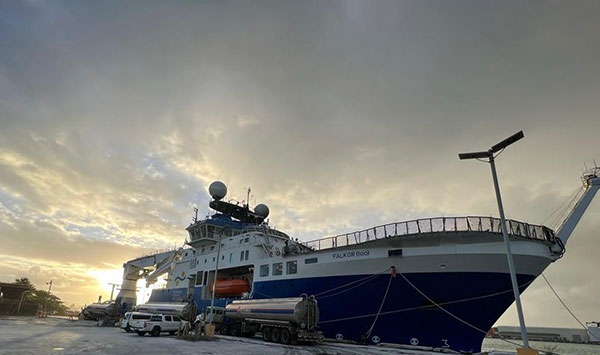
Documentation is an important part of fuel traceability. Depending on the vessel and applicable requirements, bunkering records may include the Bunker Delivery Note (BDN), fuel specifications, sulfur content, quantity delivered, delivery date and location, supplier declarations, representative fuel samples, and transfer records.
Under MARPOL Annex VI, vessels subject to these requirements must retain Bunker Delivery Notes onboard for at least three years. Representative fuel samples must remain under the ship’s control until the fuel is substantially consumed, but for no less than 12 months.
Operators should also verify any additional documentation required by the port, facility, or authorities involved in the transfer.
How Royal Petroleum approaches bunkering compliance
With more than 25 years of industry experience, Royal Petroleum coordinates marine fuel deliveries from Puerto Rico, taking into account the requirements that affect each operation.
- Fuel specifications and documentation. Our team reviews the requested product, vessel requirements, and applicable documentation needs before confirming a fuel supply plan.
- Transfers planning. We coordinate delivery schedules, port access, equipment, and transfer conditions according to the vessel and location.
- Safety and transfer procedures. Royal Petroleum reviews the vessel schedule, delivery point, access conditions, transfer method, personnel, equipment, and operating environment before the fuel delivery moves forward.
- Puerto Rico operational experience. With more than 25 years working from Puerto Rico, Royal Petroleum brings practical experience coordinating marine fuel requests around port access, vessel schedules, transfer conditions, and documentation needs.
- Caribbean operations. When fuel supply involves regional logistics or movement outside Puerto Rico, Royal Petroleum reviews the product, route, destination, documentation, and receiving requirements before confirming availability and logistics options.
Contact Royal Petroleum at info@americanpetroleumpr.com with your vessel schedule, fuel requirements, delivery location, and any relevant documentation or transfer needs.
Our team will review your request and coordinate the available bunkering compliance and options based on the applicable operating conditions.
This article is intended as general information for maritime operators. Specific requirements should always be reviewed according to the vessel, operation, port, product, and applicable authorities.